Africa (Sahel, Central & East)
In the Sahel, the armies of Mali and Burkina Faso, with Russian Wagner fighters in Mali and VDP militias in Burkina Faso, have executed hundreds of civilians in counterterrorism operations, most often ethnic Fulani (Peuhl) Muslims: at least 300 and by UN count over 500 at Moura in 2022, 223 at Nondin and Soro in 2024, more than 130 around Solenzo in 2025. In the Central African Republic in 2013–2015, anti-balaka militias massacred Muslims, drove tens of thousands out of Bangui and the west, destroyed about 400 mosques and forced some returnees to renounce Islam. In Nigeria the army killed more than 340 Shia Muslims of the Islamic Movement in Zaria in December 2015, and the movement was banned in 2019. In Ethiopia, Muslim protest leaders were jailed under terrorism law, mosques were demolished around Addis Ababa in 2023 and mourners were attacked in Gondar in 2022; Eritrea jailed the leaders of an Islamic school in 2017. Kenya's Wagalla massacre of 1984 killed hundreds to thousands of ethnic Somali men.
Key numbers
Who is responsible
Malian armed forces and Wagner Group fighters; Burkinabè armed forces and Volunteers for the Defense of the Homeland (VDP); the Koglweogo and Dozo and Dan Na Ambassagou militias; anti-balaka militias in the Central African Republic; the Nigerian army and police; Ethiopian federal and Oromia authorities and Somali Region officials; the Eritrean government; Kenyan army and Anti-Terrorism Police Unit; Ethiopian troops in Somalia.
Timeline
- 1984 Wagalla massacre of ethnic Somali men by Kenyan security forces
- 2004 About 660–700 Muslims killed in Yelwa, Plateau State, Nigeria
- 2008 Ethiopian troops kill 21 at al-Hidaya mosque, Mogadishu
- 2012 Ethiopian Muslim protest leaders detained; jailed 7–22 years in 2015
- 2014 Anti-balaka massacres and mass flight of Muslims from western CAR and Bangui
- 2015 Nigerian army kills over 340 Shia Muslims in Zaria
- 2017 Eritrea jails Al Diaa Islamic school leaders; anti-balaka attacks Muslims in Bangassou and Kembé
- 2019 Ogossagou (Mali) and Yirgou (Burkina Faso) massacres of Fulani; Nigeria bans the Islamic Movement
- 2020 180 bodies found around Djibo, Burkina Faso
- 2022 Moura massacre in Mali; Gondar funeral attack in Ethiopia
- 2023 Karma massacre (Burkina Faso); mosques demolished in Sheger City, Ethiopia
- 2024 Nondin and Soro massacres; 1,000+ civilians killed by Burkinabè forces and VDP in seven months
- 2025 Solenzo massacre of Fulani civilians, Burkina Faso
Records (188)
Isiolo killings during the 'Shifta' war
During the 1960s response to the 'Shifta' insurgency, Kenyan security forces killed Somali civilians in Isiolo District — 2,700 or more by victims' estimate — and held thousands in camps. In 1967, 18 elders were killed at a mosque.
18–2,700 killed
Besikdira mosque massacre
On 30 November 1970 Ethiopian troops, seeking revenge for a general killed by rebels, rounded up the villagers of Besikdira near Keren and locked them in the village mosque, which was razed; survivors were shot. About 120 were killed (other reports say 200).
120–200 killed1 mosques & sacred places destroyed
Source: Wikipedia: List of massacres in the Eritrean War of Independence · Wikipedia: Besikdira
Ten scholars executed over family law
Siad Barre's military government executed ten Islamic scholars by firing squad at the Police Academy in Mogadishu on 23 January 1975. They had opposed the new Family Law, announced on 11 January, which gave women equal inheritance against Quranic rules; the National Security Court convicted them of 'exploiting religion'. Others were jailed for 20–30 years.
10 killed23–35 detained
Source: Wardheer News (Abdurahman Abdullahi Baadiyow) · Hiiraan Online
Garissa (Bulla Karatasi) massacre
In November 1980 Kenyan forces rounded up residents of Bulla Karatasi in Garissa, held them at Garissa Primary School for three days without food or water, burned homes and raped women. Kenya's Truth Commission called it state-imposed collective punishment; estimates range from 300 to over 3,000 dead.
300–3,000 killed
Source: Wikipedia: Garissa massacre · ICTJ
Wagalla massacre
Kenyan soldiers and security agents held thousands of ethnic Somali men of the Degodia clan at Wagalla airstrip near Wajir for about four days without food or water, then killed many of them. The government first said 57 died and in 2000 admitted 380; Kenya's Truth, Justice and Reconciliation Commission said close to a thousand; survivors say up to 5,000.
57–5,000 killed
Source: Al Jazeera · Wikipedia: Wagalla massacre
Gogol Wanaag killings
On 15 October 1984 government forces killed six people at Gogol Wanaag in the north-west, among early killings of Isaaq civilians.
6 killed
Source: Wikipedia: Isaaq genocide
Hargeisa: 26 sentenced to death
On 17 November 1984, 26 people from the Boqol Jirreh area of Hargeisa were sentenced to death by the Barre government.
26 detained
Source: Wikipedia: Isaaq genocide
Burao: 43 executed
In December 1984 the Barre government executed 43 people in Burao, one of a series of executions of Isaaq civilians in the north before the 1988 war.
43 killed
Source: Wikipedia: Isaaq genocide
Gabiley and Tog Wajaale executions
On 14 March 1988 government forces executed 25 people at Gabiley and Tog Wajaale, two months before the war on the north began.
25 killed
Source: Wikipedia: Isaaq genocide
Isaaq genocide
From May 1988 to March 1989 the Somali army, air force and allied militias of the Siad Barre government carried out a campaign against the Isaaq clan of northern Somalia. Sources estimate 50,000–200,000 civilians killed; up to 500,000 fled to Ethiopia and 400,000 were displaced inside the country.
50,000–200,000 killed400,000–500,000 displaced
Source: Wikipedia: Isaaq genocide
Bombing of Hargeisa
After rebels entered Hargeisa on 31 May 1988, government forces began killings in the city, then shelled it and the Somali Air Force bombed it. Amnesty International counted 14,000 buildings destroyed and 12,000 heavily damaged; up to 90% of the city was damaged, and about 50,000 people are believed to have died there.
50,000 killed14,000 mosques & sacred places destroyed
Source: Wikipedia: Isaaq genocide
Bombing of Burao
Government forces retook Burao and began heavy aerial bombardment on 31 May 1988. The town was reportedly 70% destroyed and most residents fled to Ethiopia.
Source: Wikipedia: Isaaq genocide
Berbera killings
After the rebel attack on Burao, hundreds of Isaaq men were arrested in Berbera; Human Rights Watch says more than 700 were killed in batches of 30–40 near the airport.
700 killed
Source: Wikipedia: Isaaq genocide
Erigavo shelling and killings
After rebels held Erigavo for three hours on 16 March 1989, the army reportedly shelled the town and killed about 500 Isaaq civilians who had stayed. In 1989, 60 Isaaq elders were also shot by firing squad; mass graves were found in 2012.
500–560 killed
Source: Wikipedia: Isaaq genocide
Mogadishu 'Black Friday' mosque killings
On Eid al-Adha, 13 July 1989, security forces arrested four prominent sheikhs and 18 other men in Mogadishu. After Friday prayers on 14 July, troops opened fire at the Sheikh Ali Suufi mosque and in the city; Africa Watch reported about 400 killed and over 1,000 injured (the government said 23). The Red Berets, led by Siad Barre's son, are widely held responsible; almost 2,000 people were detained.
23–1,500 killed2,000 detained
Source: Wikipedia: Mogadishu riots of July 1989 · Country Studies: Somalia
Jazeera Beach massacre
On 15 July 1989, after the Mogadishu killings, government troops took Isaaq men to Jazeera Beach south of the capital and shot them; sources give 46–48 dead (a Somaliland account says 56). One man survived by pretending to be dead.
46–56 killed
Source: Wikipedia: Jazeera beach massacre · Somaliland Current
Tchin-Tabaraden reprisals
After a clash between Tuareg youths and police at Tchin-Tabaraden on 7 May 1990, the Niger army carried out a punitive expedition in the following weeks in Tchin-Tabaraden, Gharo and In-Gall, arresting, torturing and killing Tuareg civilians. A French minister spoke of several dozen dead; other sources say 650 or more.
30–650 killed
Source: Casajus & Salifou (HAL) · Univ. of Central Arkansas, DADM: Niger/Tuaregs
Berbera: 20 executed in reprisal
In August 1990 government forces executed 20 civilians in Berbera as reprisal for a rebel ambush.
20 killed
Source: Wikipedia: Isaaq genocide
'Bloody Monday' raid on elders' meeting
On 12 July 1993 US forces under the UN mission attacked a house in Mogadishu where clan leaders were meeting. UNOSOM II said 7–20 were killed; the Red Cross said 54; the clan and SNA said 73, including women and children.
7–73 killed
Mwembechai mosque shootings
On 13 February 1998 police fired on Muslims at the Mwembechai mosque in Dar es Salaam who were protesting the arrest of a popular Muslim preacher; two or three were killed and many arrested, including women and children.
2–3 killed
Source: The New Humanitarian · WWRN
Yopougon mass grave
Gendarmes arrested dozens of suspected RDR opposition supporters on 25–26 October 2000, shot them at the Abobo gendarmerie camp, and dumped 57 bodies in Yopougon, survivors told Amnesty International. Ouattara said the dead were Muslims from the north. Eight gendarmes were acquitted in 2001.
57 killed
Source: Amnesty International · Human Rights Watch
Yelwa killings of Muslims
On 2–3 May 2004 armed Christian groups surrounded Yelwa in Plateau State and killed Muslim residents; Human Rights Watch found an estimate of about 660 credible and said the real figure may be near 700. The central mosque and many other mosques were burned. The attack followed a February 2004 attack by armed Muslims on a church compound in the town.
660–700 killed
Source: Human Rights Watch: Revenge in the Name of Religion · Wikipedia: Yelwa massacre
Yelwa: mosques burned
During the May 2004 attack on Yelwa the central mosque was destroyed and numerous other mosques were burned across the town, Human Rights Watch reported.
JATT detention site, Kololo
Human Rights Watch documented 106 named people held by Uganda's Joint Anti-Terrorism Task Force at an illegal detention site at its Kololo headquarters; all but two were Muslims. At least 25 were tortured during interrogation and four died at JATT's hands.
106 detained4 killed
Source: Human Rights Watch
Ethiopian shelling of Mogadishu
In March and April 2007 Ethiopian forces backing the transitional government bombarded crowded parts of Mogadishu with rockets, mortars and artillery, hit hospitals and carried out summary executions, Human Rights Watch found. Hundreds of civilians were killed and about 400,000 people fled.
200 killed400,000 displaced
Source: Human Rights Watch · Al Jazeera
Ogaden counterinsurgency crackdown
From June 2007 the Ethiopian army attacked civilians in five zones of the Somali Region: Human Rights Watch documented at least 150 civilians executed, hundreds held in barracks, rape, dozens of villages burned and whole communities forced out, plus a trade blockade punishing tens of thousands.
150 killed200 detained
Source: Human Rights Watch
Al-Hidaya mosque killings
During a raid on the al-Hidaya mosque in northern Mogadishu, Ethiopian troops with Somali transitional government forces killed 21 people, including the imam and Islamic scholars; seven were found with their throats cut. Dozens of students were detained. Ethiopia denied abuses.
21 killed
Source: Human Rights Watch: So Much to Fear · Wikipedia: Al-Hidaya Mosque massacre
Kouno killings
Chadian security forces trying to arrest the Muslim spiritual leader Sheikh Ahmet Ismael Bichara killed at least 68 of his followers in Kouno; four security force members also died and more than 51 people were badly injured. Amnesty International condemned the excessive use of lethal force and called for an independent inquiry. The government said the followers, armed with swords and spears, had attacked first.
68 killed
Source: Amnesty International
Abobo mosques hit by grenades
During Friday prayers two mosques in Abobo were hit by rocket-propelled grenades; a witness said security forces carried out the attack. A third mosque was attacked in Bassam. Human Rights Watch said pro-Gbagbo forces attacked mosques and targeted imams during the 2010–11 crisis.
Source: Human Rights Watch, They Killed Them Like It Was Nothing
Jail Ogaden, Jijiga
In Jijiga Central Prison, known as Jail Ogaden, several thousand prisoners at a time, many never charged, were beaten, tortured, starved and raped from 2011 to early 2018. Human Rights Watch named the Somali Region's Liyu police, prison guards and regional officials, including regional president Abdi Illey.
Killings and disappearances by anti-terror police
Human Rights Watch documented at least 10 killings and 10 enforced disappearances of terrorism suspects, mainly in Nairobi, by Kenya's Anti-Terrorism Police Unit since 2011. It also noted that the killings of Mombasa clerics Aboud Rogo (August 2012), Ibrahim Omar (October 2013) and Abubakar Shariff (April 2014) had not been effectively investigated.
10 killed
Source: Human Rights Watch
Mosques closed and dismantled in Angola
The Muslim Council of Angola said in 2013 that all of the country's 60 mosques were closed and eight had been dismantled in the previous two years under licensing rules. The government denied banning Islam and said closures were over missing land titles and building licences.
8 mosques & sacred places destroyed
Source: Mail & Guardian · Al Jazeera
Yopougon mosque attacks
Pro-Gbagbo militiamen, some in military uniform including Republican Guard members, attacked mosques in Yopougon, looting them and burning Qurans and prayer mats. At least six perceived Ouattara supporters were later found dead outside the Doukouré mosque. The AP counted at least 10 attacks on mosques in late February and March 2011.
6 killed
Source: Human Rights Watch, They Killed Them Like It Was Nothing · Catholic News Agency / EWTN News
Deaths in military detention
Amnesty International found that more than 7,000 young men and boys died in military detention in north-east Nigeria from March 2011 to 2015, from starvation, suffocation, torture and fumigation of crowded cells, and that more than 1,200 people were unlawfully killed from February 2012. The military rejected the findings.
7,000 killed
Source: Amnesty International · Al Jazeera
Imams killed in Côte d'Ivoire
Human Rights Watch reported that pro-Gbagbo militiamen abducted an imam and his son in Bloléquin on 9 March 2011 and their bodies were found the next day, and killed a leading imam in his home in Duékoué on 28 March. An imam was also shot near a mosque in Port-Bouët 2, Yopougon, in mid-March.
4 killed
Source: Human Rights Watch, They Killed Them Like It Was Nothing · AFP via Abidjan.net
Samir Hashim Khan abducted and killed
Mombasa preacher Samir Hashim Khan was abducted in April 2012 with a blind colleague, Mohamed Bekhit Kassim; his mutilated body was found in Tsavo National Park. Kassim remained missing. Rights groups linked such cases to the security forces.
1 killed1 detained
Source: Human Rights Watch
Asasa protest deaths
On 27 April 2012 four people died in Asasa, Arsi zone, after a crowd tried to free an imam arrested by police, the government said. The protests were against state interference in Muslim religious affairs.
4 killed
Source: Bloomberg
Likoni ferry abductions
On 26 June 2012 four men, including Salim Abubakar Hamisi and Omar Shwaib, were abducted near the Likoni ferry in Mombasa by armed men witnesses said appeared to be anti-terror police; they were not seen again.
4 detained
Source: Human Rights Watch
Muslim protest leaders jailed
From 2012 Muslims across Ethiopia protested what they saw as government interference in their religious affairs. Eighteen leaders of the movement, detained in July 2012, were convicted under the Anti-Terrorism Proclamation in July 2015 after closed trials and given seven to 22 years in prison.
18 detained
Awolia mosque raid
On 13 July 2012 the government raided a gathering at the Awolia (Awalia) mosque in Addis Ababa during protests against state interference in Muslim affairs, arresting 70 people including members of the protest committee.
70 detained
Source: UPI
Sheikh Aboud Rogo shot dead
Mombasa preacher Aboud Rogo was shot dead on 27 August 2012 when gunmen in an unmarked vehicle fired on his car on the Malindi road; his wife accused the police. Police denied it; rights groups listed it among killings by security forces. One protester died in the riots that followed.
1–2 killed
Source: Human Rights Watch · Christian Science Monitor
Diabaly: Dawa preachers shot at checkpoint
On 8 September 2012 Malian soldiers stopped a minibus of unarmed Dawa (Tablighi) preachers, most from Mauritania, travelling to a religious meeting in Bamako, and shot 16 of them and their driver at a checkpoint near Diabaly. The army blamed a lone soldier.
16–17 killed
Source: Al Jazeera · VOA
Salak torture site
Amnesty International documented 101 cases of incommunicado detention and torture of people accused of supporting Boko Haram, at more than 20 sites, often without evidence. Most were at the Rapid Intervention Battalion (BIR) base in Salak near Maroua and an intelligence facility in Yaoundé; some detainees were tortured to death.
101 detained
Source: Amnesty International
Muslim Affairs editor jailed
Solomon Kebede, chief editor of the closed weekly Yemuslimoch Guday ('Muslim Affairs'), which covered the Muslim protest movement, was arrested in January 2013 and charged under the Anti-Terrorism Proclamation, Human Rights Watch reported.
1 detained
Seribala: two Tuareg civilians executed
In January 2013 Malian soldiers executed two Tuareg civilians at Seribala near Niono, after which their homes were looted, a witness told Human Rights Watch; FIDH reported the same.
2 killed
Source: Human Rights Watch · FIDH
Sévaré and Konna executions
In January 2013, as French and Malian forces pushed back armed groups, Malian soldiers summarily executed at least 13 suspected supporters and forcibly disappeared five more in Sévaré and Konna, mostly Peul men (HRW). FIDH counted at least 11 executions at Sévaré with about 20 more reported; Amnesty said at least two dozen.
13–31 killed5 detained
Source: Human Rights Watch · FIDH
Baga raid
On 16–17 April 2013, after a fight with insurgents, soldiers burned the fishing town of Baga. Human Rights Watch satellite analysis found 2,275 buildings destroyed and 125 damaged; residents said soldiers set houses on fire. The Nigerian Red Cross counted 187 dead; the army said 37 and only 30 houses burned.
37–187 killed2,275–2,400 mosques & sacred places destroyed
Kariobangi men disappeared
Abdulaziz Muchiri and Ali Kipkoech Musa were arrested in Kariobangi South, Nairobi, on 20 April 2013 and last seen in court on 6 May 2013; the anti-terror police reportedly denied holding them.
2 detained
Source: Human Rights Watch
Ibrahim Ramadhan Mwasi shot
On 17 June 2013 Ibrahim Ramadhan Mwasi was shot dead in Majengo, Nairobi; witnesses believed anti-terror police were responsible.
1 killed
Source: Human Rights Watch
Kofele killings
In early August 2013, during the Muslim protest movement, the army shot dead 14 people in Kofele, including at least three children, a resident told Amnesty International; another said 11. Authorities said three protesters died. Large numbers were arrested in and around the town.
3–14 killed
Source: Amnesty International · VOA / Reuters
Eid al-Fitr protest arrests
On Eid al-Fitr, 8 August 2013, police arrested Muslim protesters at the stadium prayers in Addis Ababa, and separately arrested 29 members of a committee that had called for protests, accusing them of planning terrorist acts. Human Rights Watch said police used excessive force in Addis Ababa and other cities and detained hundreds, at least temporarily.
200 detained
Source: VOA / Reuters · Human Rights Watch World Report 2014: Ethiopia · Global Voices
Sheikh Ibrahim Omar shot dead
In October 2013 Mombasa cleric Ibrahim Omar was shot dead with two other men as he drove home after preaching. No one was charged.
3 killed
Source: Nation
Islam refused legal recognition
Angola recognises 83 religious organisations, all Christian; recognition needs 100,000 members. In October 2013 the justice ministry rejected 194 applications, including that of an umbrella Islamic community group.
Source: Al Jazeera · Mail & Guardian
Man shot after morning prayers
On 13 November 2013 Lenox David Swalleh was shot in Eastleigh, Nairobi, after morning prayers; police called him a bank robber, but court records suggest he was in prison at the time of an attack he was linked to.
1 killed
Source: Human Rights Watch
Bangui's Muslims reduced to PK5
About 122,000 Muslims lived in Bangui before the crisis; by October 2015 about 15,000 remained, confined to the PK5 enclave, Human Rights Watch reported. PK12 residents were evacuated in April 2014.
107,000 displaced
Source: Human Rights Watch
Muslims driven out of western CAR and Bangui
Under anti-balaka attacks, about 50,000 Muslims were flown out from Bangui airport and tens of thousands more fled by road convoy in early 2014; Amnesty called it 'a Muslim exodus of historic proportions'. By 22 January only 36 Muslims remained in Bangui's PK13 district.
50,000 displaced

Source: Human Rights Watch · Amnesty International
About 400 mosques destroyed
Amnesty International estimated that about 400 mosques were destroyed across the Central African Republic in the 2013–2015 violence, and that in many western areas Muslims were not allowed to rebuild them.
400 mosques & sacred places destroyed
Source: Amnesty International
Sheikh Hassan Suleiman Mwayuyu killed
On 5 December 2013 Sheikh Hassan Suleiman Mwayuyu was shot dead on a public minibus at Tiwi junction, Kwale; a witness said one gunman resembled an anti-terror police officer.
1 killed
Source: Human Rights Watch
Bossangoa: Boro district attack
On 5 December 2013 at least 11 unarmed Muslim residents were killed in the Boro district of Bossangoa, home to an estimated 10,000 Muslims before the violence; the district's Muslims later fled.
11 killed
Source: Human Rights Watch
Disappearances in north-eastern Kenya
Human Rights Watch documented at least 34 enforced disappearances in Nairobi and north-eastern Kenya over two years to 2016, and detainees taken to military bases in Garissa, Wajir and Mandera.
34 detained
Muslims trapped in enclaves
More than 30,000 Muslims lived in a handful of towns in western CAR protected by UN peacekeepers, unable to leave safely; in Bangui the Muslim district PK5 stayed cut off from the rest of the city.
30,000 displaced

Source: Amnesty International · Human Rights Watch, World Report 2015: Central African Republic
Uamsho clerics held on terror charges
36 Muslim clerics of the Zanzibar Uamsho movement were held for about seven to eight years on terrorism charges under the Prevention of Terrorism Act. In June 2021 the Director of Public Prosecutions dropped all charges and they were released; one leader said some detainees were interrogated naked.
36 detained
Source: The Citizen (Tanzania) · The Citizen (Tanzania)
Boda killings of Muslims
In Boda, Human Rights Watch found graves of at least 30 Muslims, in violence that may have killed as many as 75. Thousands of Muslim families fled towns in the west in January and early February 2014.
30–75 killed
Source: Human Rights Watch
Yaloké: mosques destroyed
Yaloké had an estimated 30,000 Muslims and eight mosques before the conflict. By 6 February 2014 fewer than 500 Muslims and one mosque remained; the others had been looted and destroyed.
7 mosques & sacred places destroyed29,500 displaced
Source: Human Rights Watch
Bangui PK13: main mosque burned
The main mosque of the PK13 district of Bangui was burned during an anti-balaka attack; by 22 January 2014 only 36 Muslim residents remained in the district.
Source: Human Rights Watch
Boyali killings
On 8 January 2014, 34 Muslims were killed in Boyali, a village on the road between Boali and Bossembélé, one of several anti-balaka attacks on Muslims in the north-west that Amnesty International documented.
34 killed
Source: Human Rights Watch · Amnesty International · Wikipedia: Boyali
Bossemptélé massacre
Amnesty International documented the killing of at least 100 Muslims in Bossemptélé on 18 January 2014, the deadliest anti-balaka attack it recorded in that period.
100 killed
Source: Amnesty International
Masjid Musa raid
On 2 February 2014 police raided Masjid Musa in Majengo, Mombasa, during a gathering and arrested 129 young people; police said the mosque was a recruiting base. One officer and occupants died — VOA said three, Haki Africa up to seven. Seventy were charged.
2–7 killed129 detained
Source: Christian Science Monitor · VOA / Reuters
Guen massacre
On 5 February 2014 anti-balaka fighters attacked a property in Guen where hundreds of Muslims had taken refuge and executed about 45 men.
45 killed
Source: Human Rights Watch, World Report 2015: Central African Republic
Giwa barracks killings
In March 2014, during a Boko Haram attack on Giwa military barracks in Maiduguri, security forces allegedly killed more than 600 detainees who had fled; no one was brought to justice.
600 killed
Operation Usalama Watch
In April–May 2014 Kenyan police rounded up at least 4,000 people in Nairobi's Eastleigh district, held hundreds in overcrowded cells and at Kasarani stadium, with reports of beatings and extortion, and deported 359 people.
4,000 detained359 displaced
Sheikh Abubakar Shariff 'Makaburi' shot dead
On 1 April 2014 gunmen in a car shot dead cleric Abubakar Shariff (Makaburi) and a 20-year-old companion outside the Shanzu law courts, where he faced terrorism-related charges he denied. He was the third prominent Mombasa cleric shot in under two years; no one was arrested.
2 killed
Source: Al Jazeera · Nation
Ardondjobdi mosque attack
In June 2014 anti-balaka forces attacked an ethnic Peuhl community at Ardondjobdi near Bambari during morning prayers, killing at least 20 people, including women and children; three were killed inside the mosque.
20 killed
Source: Human Rights Watch, World Report 2015: Central African Republic
Zaria Quds Day killings
On 25 July 2014 soldiers fired on the Islamic Movement's Quds Day procession for Palestine in Zaria, killing 33–35 people, including three sons of Sheikh Ibrahim Zakzaky; he said two were taken alive and then killed. The army said it acted in self-defence.
33–35 killed
Source: TheCable · Wikipedia: Zaria Quds Day massacres
Achigachia executions
After soldiers killed by Boko Haram on 28 December 2014 were recovered, Cameroonian forces unlawfully killed more than 30 people in Achigachia, many elderly, Amnesty International found. A video later showed soldiers shooting about ten unarmed people lined against a wall there.
30 killed
Source: Amnesty International
Magdémé and Doublé arrests
In a cordon-and-search operation, Cameroonian security forces arrested over 200 men and boys in the villages of Magdémé and Doublé, killed eight people including a child, and burned more than 70 buildings. The authorities admit 25 detainees died on their first night in custody; Amnesty International says at least 130 are still missing.
70–200 detained33 killed
Source: Amnesty International
Muslims forced to give up their religion
Amnesty International found that Muslims returning to ethnically cleansed areas of western CAR were forced to abandon Islam, some converted to Christianity under threat of death, and said it was 'effectively illegal' for them to pray in places such as Mbaïki.
Source: Amnesty International
Krawa Mafa: women and children executed
Between 20 March and 5 April 2015 Cameroonian soldiers blindfolded two women and two young children near Krawa Mafa by the Nigerian border and shot them 22 times. The government first called the video fake, then admitted soldiers did it; seven were arrested.
4 killed
Chad face-veil ban
After suicide bombings in N'Djamena, Chad's government banned the full-face veil nationwide and ordered security forces to seize burqas from markets and burn them.
Source: Al Jazeera
Marka wedding killings
On 31 July 2015, after a bomb hit their convoy, Ugandan soldiers of the African Union mission entered houses in Marka; at one wedding they separated the men and shot six — four brothers, their father and an uncle. AMISOM's chief later said seven civilians were killed; three soldiers were indicted.
6–7 killed
Source: Human Rights Watch · Al Jazeera
Sheikh Zakzaky and wife held for over five years
Islamic Movement leader Ibrahim Zakzaky and his wife Zeenah were held from the December 2015 Zaria killings, left partly paralysed and blind in one eye, and kept in detention despite a December 2016 Federal High Court order to free them. A Kaduna High Court acquitted them on 28 July 2021.
2 detained
Source: ThisDay · Africanews
Husainiyya Baqiyyatullah, Zaria, bulldozed
After the Nigerian army killed more than 350 Shia members of the Islamic Movement in Zaria on 12–14 December 2015 (Amnesty), troops bulldozed the movement's Husainiyya Baqiyyatullah centre; Amnesty satellite images show buildings and mosques completely destroyed.
1 mosques & sacred places destroyed
Source: Amnesty (NL): Nigeria military cover-up of mass slaughter at Zaria exposed · Tasnim: Shiite religious center razed to ground by Nigeria army
Zaria massacre
From 12 to 14 December 2015 Nigerian soldiers attacked members of the Shia Islamic Movement in Nigeria at the Hussainiyya Baqiyyatullah centre and at Sheikh Ibrahim Zakzaky's home in Gyellesu, Zaria. A Kaduna State official said 347 bodies were buried secretly in a mass grave near Mando; Amnesty estimated over 350 killed. Zakzaky and his wife were arrested and held.
347 killed
Source: Human Rights Watch · Amnesty International
Jaamac Dubad killings
On 5 June 2016 the regional Liyu police entered Jaamac Dubad village after a dispute with khat traders and killed at least 21 villagers; Amnesty said 14 were shot inside the village mosque. A UN monitoring group estimated 30–40 dead. Police stopped residents from burying the dead.
21–40 killed
Source: Human Rights Watch · Amnesty International Report 2016/17 (ecoi)
Bay region: villagers killed by Ethiopian troops
In July 2016 Ethiopian forces unlawfully killed 14 civilians in a village in Bay region, according to an AMISOM investigation whose findings were never released.
14 killed
Ashura processions: Funtua and Kaduna
On 12 October 2016 troops tried to block an Islamic Movement Ashura procession in Funtua, Katsina State; witnesses told the BBC nine died (AFP later said 10). Police said two more died in Kaduna city.
9–12 killed
Source: Nehanda Radio (BBC) · Anadolu
Kwanar Dawaki: police fire on marchers
On 14 November 2016 police opened fire on thousands of Islamic Movement members walking from Kano to Kaduna, at Kwanar Dawaki outside Kano, killing at least 10; a witness saw 15 bodies. Police said an officer had been hurt.
10–15 killed
Source: The Peninsula (AFP)
Rann camp air strike
On 17 January 2017 a Nigerian air force strike hit a settlement for displaced people in Rann, Borno, killing about 234 people, including nine aid workers, by a local official's count; the military said it had mistaken it for insurgents.
234 killed
Bangassou: Tokoyo Muslim district attacked
On 13 May 2017 anti-balaka forces attacked the Muslim neighbourhood of Tokoyo in Bangassou; survivors estimated at least 12 civilians were killed, including the town's imam, as they sought safety in the mosque. The Red Cross found 115 bodies in the town after the attacks.
12 killed
Source: Human Rights Watch, World Report 2018: Central African Republic · Al Jazeera
Tabliq leaders jailed
A Ugandan court sentenced Tabliq leader Sheikh Yunus Kamoga and three others to life in prison and two to 30 years on terrorism charges, while clearing all of murder. Kamoga and 13 others had been arrested; their lawyers and a rights lawyer said Muslims were being profiled.
14 detained
Source: Al Jazeera
Hajji Ibrahim Younus dies in prison
Hajji Ibrahim Younus, in his late seventies and on the executive committee of Al Diaa School, was arrested in October 2017 with dozens of others after the school protests. Held without charge in Mai Serwa prison, he reportedly died on 30 January 2019 after two months of illness without medical care.
1 killed
Source: Human Rights Concern – Eritrea
Kembé killings of Muslims
In October 2017 at least 20 Muslims were killed in Kembé by 'auto-defense' groups often linked to the anti-balaka.
20 killed
Source: Human Rights Watch, World Report 2018: Central African Republic
Al Diaa Islamic school crackdown
In October 2017 the government jailed the 90-year-old honorary president of Al Diaa, a private Islamic school in Asmara, after he objected to a planned government takeover; students' protests were suppressed and other school officials arrested.
Haji Musa Mohammed Nur dies in custody
Haji Musa Mohammed Nur, about 93, honorary president of the Al Diaa Islamic School in Asmara, was held at the 5th Police Station from 20 October 2017 for opposing a state takeover of the school and pressure on girls to remove the hijab. He died in custody around 1–2 March 2018; no cause was given.
1 killed1 detained
Source: CSW · Africanews
Arrests at Al Diaa president's funeral
In March 2018 the government released the body of the school's 90-year-old honorary president; thousands, including minors, were arrested as they marched through Asmara to his funeral. Most were freed within about three months, but some school leaders stayed in prison.
Dioura: suspects killed
In April 2018 the Malian army allegedly killed 12 suspects near Dioura, central Mali, men it accused of supporting armed Islamists.
12 killed
Abuja: soldiers kill Shia protesters
In October 2018 soldiers killed at least 42 people in Abuja during protests by the Islamic Movement in Nigeria; in April 2018, 115 members were arrested in Abuja at a protest calling for the release of their leader, held since 2015 despite court orders.
42 killed115 detained
Boulkessi killings
In May 2018 the Malian military allegedly killed 12 men in Boulkessi, near the Burkina Faso border.
12 killed
Nantaka killings
In June 2018 the Malian military allegedly killed 25 suspects near Nantaka, outside Mopti, and buried them in common graves.
25 killed
Koulogon killings
In 2019, 37 Peuhl villagers were killed in Koulogon, Mopti region; in June 2021 the Mopti High Court convicted 12 Dogon men in absentia for the killings.
37 killed
Bambari: detainee tortured
In January 2019 Russia-linked forces in Bambari detained men and tortured them to confess to UPC membership; Mahamat Nour Mamadou had a finger cut off. He was later killed in Bambari on 29 September 2019; HRW does not attribute that killing to Russia-linked forces.
Source: Human Rights Watch
Yirgou massacre
After an armed group attack on 1 January 2019, the Koglweogo, a Mossi self-defence group, attacked Fulani (Peul) communities around Yirgou, burning homes and killing men and boys. The government said 46 died; local groups (CISC) said 210.
46–210 killed
Source: VOA Afrique · Wikipedia: Yirgou massacre
Ogossagou massacre
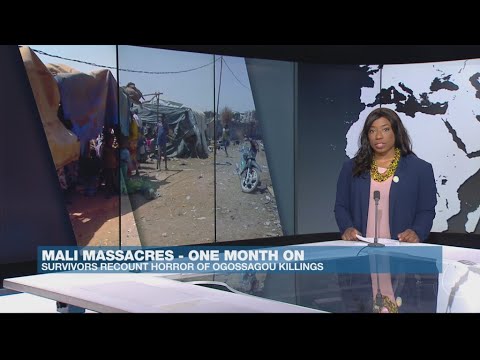
On 23 March 2019 armed men attacked the Fulani villages of Ogossagou and Welingara in central Mali, killing 160 people including about 50 children (UN human rights office). The government dissolved the Dogon militia Dan Na Ambassagou, whose leader denied a role.
134–160 killed
Source: UN News · Al Jazeera
Abuja protest deaths, July 2019
In July 2019 at least 11 protesters, a journalist and a police officer were killed in Abuja during Islamic Movement in Nigeria protests calling for leader Ibrahim Zakzaky's release and medical care; dozens were wounded or arrested.
11 killed
Source: Human Rights Watch
Islamic Movement in Nigeria banned
On 26 July 2019 a court ruled that the Shia Islamic Movement in Nigeria's activities amounted to terrorism and ordered it banned; the presidency announced the ban on 28 July.
Source: Human Rights Watch
Ashura 2019 processions
During Ashura processions on 10 September 2019, after a police ban, the Islamic Movement said at least 12 members were killed in Kaduna, Bauchi, Gombe, Sokoto and Katsina states. Police denied killing anyone.
0–12 killed
Source: ThisDay
Djibo: 180 bodies
Between November 2019 and June 2020 the bodies of at least 180 men were found in common graves and other sites around Djibo, many blindfolded with hands tied and shot in the head; most were ethnic Fulani (Peuhl). Residents blamed government security forces, who control the town; the defence minister said armed Islamists might have worn stolen uniforms.
180 killed
Source: Human Rights Watch · Human Rights Watch, World Report 2021: Burkina Faso
Central Mali: 250+ unlawful killings by security forces
From December 2019 to August 2020 Malian security forces were implicated in over 250 unlawful killings and several enforced disappearances, mostly in Mopti and Ségou regions and mostly of Peuhl, Human Rights Watch reported. Some incidents have their own records.
250 killed
Ndoukala traders executed
On 19 December 2019 soldiers allegedly detained and executed at least 26 traders in Ndoukala, Ségou region, and threw their bodies into a well.
26 killed
Quissanga executions
Amnesty International reported that after an insurgent attack on Quissanga, Mozambican security forces captured civilians they believed supported the insurgents, blindfolded and shot several men and dumped them in a mass grave, and took women to be raped at a nearby base where more men were beaten and executed.
Source: Africanews on Amnesty International report 'What I Saw Is Death'
Kelbo killings
On 29 February 2020 security forces working with civil defence groups killed at least 15 people in Kelbo, Soum province.
15 killed
Barga, Dinguila and Ramdolla massacre
On 8 March 2020 armed men attacked the Peul hamlets of Dinguila Peulh, Barga Peulh and Ramdolla Peulh in Yatenga province, killing 43 (44 after one more died), mostly men. Survivors told Amnesty International the Koglweogo self-defence group was responsible; 6,000 fled.
43–44 killed6,000 displaced
Source: Human Rights Watch World Report 2021: Burkina Faso · Burkina24 · Afrik.com
Second Ogossagou massacre
On 14 March 2020 Dogon militiamen killed 35 Peuhl villagers in Ogossagou, a year after the first massacre there.
35 killed
Baye commune killings
On 22 March 2020 Dogon militiamen killed at least 20 Peuhl in Baye commune, central Mali.
20 killed
Inates mass graves
After an army operation in the Inates area of Tillabéri between 27 March and 2 April 2020, 102 civilians were reported missing. Niger's National Human Rights Commission found six mass graves holding 71 bodies and said members of the Defence and Security Forces carried out summary executions; the fate of 31 others remained unknown.
71–102 killed
Source: Africanews / AFP · UN High Commissioner for Human Rights, statement on Niger visit (via Scoop)
Journalist Ibraimo Mbaruco disappeared
In April 2020 journalist Ibraimo Mbaruco disappeared on his way home in Palma, Cabo Delgado, after texting a colleague that soldiers were harassing him.
1 detained
Djibo: 31 detainees executed
On 9 April 2020 security forces executed 31 unarmed detainees in Djibo hours after arresting them during a counterterrorism operation.
31 killed
Tanwalbougou: deaths in gendarmerie cells
On 11 May 2020, 12 men arrested by gendarmes in Tanwalbougou, Est region, were found dead in their cells hours later; witnesses said they appeared to have been shot.
12 killed
Binidama killings
In June 2020 soldiers were implicated in the killing of 29 civilians in Binidama, central Mali.
29 killed
Woman executed on video
In September 2020 a video showed men in army uniform near Mocímboa da Praia summarily executing a naked woman they called a 'Shabab'; the defence minister said the video was made by insurgents, and no investigation was announced.
1 killed
Libé killings
On 22 October 2020 Malian soldiers allegedly killed about two dozen Peuhl villagers in Libé, Bankass area.
24 killed
Central Mali: killings and disappearances, 2021
From December 2020 to October 2021 Malian forces carried out over 40 unlawful killings and at least 20 enforced disappearances in Mopti and Ségou during counterterrorism operations; most victims were ethnic Peuhl.
40 killed20 detained
Bounti wedding air strike
On 3 January 2021 a French air strike in central Mali killed at least 22 people; a UN investigation concluded most were civilians attending a wedding. France said they were armed fighters.
22 killed
Boni: bus passengers and detainees killed
On 23 March 2021 soldiers beat bus passengers at Boni; at least 13 are believed buried in a common grave. In March and April at least seven men were unlawfully killed at the Boni military camp. Most victims of such killings in 2021 were Peuhl.
7–20 killed
Afungi container killings
A Politico investigation reported that in 2021 Mozambican soldiers guarding the Afungi gas site rounded up 180–250 local men fleeing the Palma fighting, locked them in shipping containers, and tortured and killed them; it identified 97 killed or disappeared. Mozambique's rights commission opened a probe; TotalEnergies denied knowledge.
97 killed180–250 detained
Source: Business & Human Rights Resource Centre · Club of Mozambique
Golweyn killings
On 10 August 2021, after an al-Shabab ambush, Ugandan AMISOM soldiers killed seven civilians in Golweyn, Lower Shabelle; a Ugandan court martial convicted five soldiers.
7 killed
Abuja Arbaeen procession, 2021
Police and soldiers fired tear gas and live rounds on an Islamic Movement Arbaeen procession on the Abuja–Kubwa expressway in late September 2021; the group said eight members were shot dead. Police denied any deaths and arrested 57.
0–8 killed57 detained
Source: Al Jazeera
Cascades operation killings
In mid-September 2021, during a joint VDP and security force operation in western Cascades region, six men including a university student were allegedly killed and five forcibly disappeared.
6 killed5 detained
Boudjiguiré executions
On 31 December 2021 Malian soldiers detained and later executed at least 13 men in Boudjiguiré, Koulikoro region.
13 killed
Fada N'Gourma: eight men found dead
On 17 February 2022 eight men were found dead after being detained by VDP militia in Fada N'Gourma.
8 killed
Danguèrè Wotoro: 35 bodies
On 3 March 2022 the bodies of 35 men, many blindfolded and most with bullet wounds, were found near the hamlet of Danguèrè Wotoro; witnesses said the men had been held at the Diabaly army camp.
35 killed
Robinet El Ataye killings
Around 5 March 2022 Malian soldiers and foreign soldiers believed to be Wagner killed 33 men near Robinet El Ataye, Ségou region, 29 of them Mauritanians.
33 killed
Moura massacre
Over five days from 27 March 2022 Malian soldiers and foreign soldiers, identified by sources as Russian, executed men held in Moura, mostly Fulani men including traders at the Sunday market. HRW counted about 300 killed; a UN report in May 2023 said over 500 people were killed, most summarily executed. Mali's government rejected the UN report.
300–500 killed

Source: Human Rights Watch · Human Rights Watch, World Report 2024: Mali
Hombori killings
On 19 April 2022 Malian and allied foreign soldiers allegedly killed at least 50 civilians in Hombori, Mopti region.
50 killed
Gondar funeral attack
On 26 April 2022 unidentified armed men attacked Muslims on their way to bury a respected sheikh in Gondar, Amhara region; Islamic councils said 20–21 were killed. Attackers tried to burn three mosques. The government said 370 people were arrested.
20–21 killed
Source: Al Jazeera · Wikipedia: Gondar funeral attack
Tougouri: 50 detainees found dead
In August 2022 over 50 men allegedly detained by security forces in and around Tougouri commune, Centre-Nord, were found dead, most along local roads.
50 killed
Gouni killings
On 18 September 2022 over 35 villagers were allegedly killed by the army in Gouni, Mopti region.
35 killed
Koro Toro: protesters sent to desert prison
After 20 October 2022, 621 people arrested in N'Djamena were sent to Koro Toro high-security prison 600 km away; several died on the way, some from lack of water, and detainees were tortured. In a mass trial 401 were tried and 261 convicted.
621–943 detained
Source: Human Rights Watch
'Black Thursday' protest killings
On 20 October 2022 security forces fired on protesters against the extension of the military transition in N'Djamena and other towns. Chad's human rights commission counted 128 killed, 518 injured and 12 missing; the government said about 50, the OMCT 218.
50–218 killed
Source: Human Rights Watch · Tchadinfos
Djigoué executions
On 23 November 2022 soldiers allegedly executed 18 men near Djigoué, close to the Côte d'Ivoire border.
18 killed
Mutumji air strike
A Nigerian Air Force strike killed 64 people in Mutumji village, Zamfara State, in December 2022, according to Amnesty International.
64 killed
Source: Amnesty International
Nouna massacre
After an attack on the VDP base in Nouna on 29–30 December 2022, VDP-linked Dozo fighters went door to door in the mostly Peul sectors 4 and 6 and killed men. Prosecutors counted 28 dead; Amnesty International said at least 86 bodies were buried on 31 December.
28–86 killed
Source: Amnesty International · Amnesty France
Rukubi air strike on herders
On 25 January 2023 a strike hit a group of herders at Rukubi on the Nasarawa–Benue border, killing about 40 (Human Rights Watch: 39). The Fulani herders' association blamed the military, which denied it; in January 2024 the Air Force admitted the strike killed 37 herders and apologised.
37–47 killed
Source: Amnesty International · Africanews (AFP) · Sahara Reporters
Peul brothers: death in detention
On 30 January 2023 security forces and militiamen arrested two ethnic Peul brothers in Zoundwéogo province; one reportedly died in detention and the other appeared to have been tortured.
1 killed2 detained
Séguéla arrests, bodies at Doura
On 3 February 2023 fighters described as 'white', apparently Wagner-linked, with at least one Malian soldier, arrested 17 men in Séguéla; eight were found dead near Doura on 21 February and nine remain unaccounted for.
8 killed17 detained
Ekeou arrests and killings
On 15 February 2023 soldiers and militiamen arrested 16 men in Ekeou and two in Goulgountou, Séno province; at least nine were found dead on 26 May near the VDP base in Falagountou.
9 killed18 detained
Sheger City: mosques demolished
In 2023 Oromia authorities demolished at least 19 mosques in the new Sheger City around Addis Ababa, according to the Oromia Islamic Affairs Council, as part of a wider demolition campaign.
19 mosques & sacred places destroyed
Source: The Reporter Ethiopia · Wikipedia: House demolition in Ethiopia (2019–present)
Ouenkoro killings
On 23–24 March 2023 Malian and 'white' soldiers with pro-government militiamen killed at least 20 civilians in Ouenkoro, including a woman and a 6-year-old, and arrested 12 men who were allegedly tortured at the Sofara army camp.
20 killed12 detained
Gangaol killings
On 29 March 2023 soldiers killed a man and two children aged 13 and 14 at Ouro Hesso, Gangaol; on 3 April soldiers took 10 men from a home there and witnesses said six were summarily executed.
9 killed
Karma massacre
On 20 April 2023 apparent Burkinabè military forces summarily executed at least 156 civilians in Karma and nearby, 83 men, 28 women and 45 children, and burned homes. The local prosecutor said men in army uniforms killed 60; townspeople saw members of the BIR 3 unit in the convoy.
60–156 killed
Source: Human Rights Watch · Human Rights Watch, World Report 2024: Burkina Faso
Trabakoro killings
On 22 April 2023 Malian soldiers searching for Islamist fighters killed 18 people in Trabakoro, Nara region, including 14 children and 4 women.
18 killed
Anwar mosque protest crackdown
After Friday prayers at Addis Ababa's Grand Anwar Mosque in May 2023, police moved against Muslims protesting the Sheger mosque demolitions; two deaths were reported and about 114 people were detained.
114 detained
Source: The Reporter Ethiopia
Bekuy: fleeing family shot
On 8 July 2023 soldiers stopped a truck of 11 people, including eight children, fleeing an Islamist attack near Bekuy and drove off with them; all 11 were found shot dead a few kilometres away the same day.
11 killed
Ekeou VDP raid
On 25 July 2023 about 30 VDP militiamen killed two men in Ekeou, Séno province, injured two children and burned four homes while hunting alleged Islamist fighters.
2 killed
Gadougou executions
On 27 July 2023 Malian soldiers executed four men and a child in Gadougou, an ethnic Fulani settlement in the Nara region.
5 killed
Bouro market drone strike
On 3 August 2023 a military Bayraktar drone struck a crowded market in Bouro, Sahel region, killing at least 23 men; HRW found no evidence they were combatants.
23 killed
Sambani: 17 detainees killed
On 6 August 2023 soldiers and 'white' fighters arrested 16 men and a boy in Sambani, Timbuktu region, on suspicion of collaborating with Islamist groups; their bodies were found about a kilometre away the next day.
17 killed
Peteguersé killings
On 10 September 2023 VDP militiamen killed seven people, four of them children, in Peteguersé, Sahel region, while looting over 100 cows.
7 killed
Bidi funeral drone strike
On 21 September 2023 a military drone strike on a funeral in Bidi, North region, killed at least 20 civilian men and injured 10.
20 killed
Tudun Biri drone strike
A Nigerian military drone strike hit villagers in Tudun Biri, Kaduna State, while they were marking Mawlid, the Prophet's birthday. Officials called it a mistake aimed at bandits; the emergency agency NEMA counted at least 85 dead and 66 injured, and Amnesty International's Nigeria office, citing locals, said 120 or more were killed, most of them children.
85–120 killed
Source: AP via PBS NewsHour · Wikipedia: Tudun Biri drone strike
Boura: villagers abducted by Dozo
In January 2024 Dozo militiamen abducted 24 people from Boura, a predominantly Fulani village in Ségou region.
24 detained
Kalala killings by Dozo militia
In January 2024 Dozo militiamen killed 13 people in Kalala, Ségou region, including three older men, an older woman and two children.
13 killed
Army and VDP killings, January–July 2024
Burkinabè military and the pro-government Volunteers for the Defense of the Homeland (VDP) killed at least 1,000 civilians between January and July 2024 (ACLED data cited by HRW) and forcibly disappeared dozens; media reported up to 400 killed in 15 villages from 27 April to 4 May.
1,000 killed
Tiawa drone strikes
On 6 January 2024 military drone strikes on Tiawa village, Tillabéri region, killed several civilians; the junta acknowledged civilian casualties without giving a toll.
Attara executions
On 25 January 2024 the Malian army and Wagner fighters summarily killed seven civilian men in Attara, Timbuktu region.
7 killed
Ouro Fero: 25 detainees burned
On 26 January 2024 soldiers arrested 25 people, including four children, in Ouro Fero, Nara region; villagers later found the charred bodies of all 25 about four kilometres away.
25 killed
Konokassi drone strikes on wedding and burial
On 16 February 2024 a Malian army drone struck a wedding in Konokassi, killing at least five men and two boys; the next day a second strike hit people burying the dead at the cemetery, killing five men and two boys.
14 killed
Nondin and Soro massacres
On 25 February 2024 Burkinabè soldiers summarily executed at least 223 civilians, including 56 children, in Nondin (44) and Soro (179), North region, accusing villagers of collaborating with Islamist armed groups.
223 killed
Source: Human Rights Watch · Human Rights Watch, World Report 2025: Burkina Faso
Bagdad village drone strikes
On 18 March 2024 two strikes supported by Turkish-made drones near Bagdad village, Lower Shabelle, killed 23 civilians, including 14 children, according to Amnesty International.
23 killed
N'Dola killings
On 2 May 2024 Malian soldiers killed six civilian men and arrested eight others in N'Dola, Ségou region; on 9 May up to 100 homes there were burned.
6 killed8 detained
Abuja Arbaeen procession arrests, 2024
During the Islamic Movement's Arbaeen procession in Wuse, Abuja, in late August 2024, police said two officers were killed and vans burned; the movement said police attacked the mourners and killed and injured members. Nigeria Watch reported 52 members arrested.
52 detained
Source: TheCable · Nigeria Watch press archive
Tinzaouaten drone strikes
On 25 August 2024 Malian drone strikes in Tinzaouaten, Kidal region, killed at least five children and two men.
7 killed
Dembia and Rafaï attacks on Fulani
In October 2024 an armed group tied to the national army, Wagner Ti Azandé, attacked Dembia and Rafaï in Mbomou, mainly targeting Fulani herders and other Muslims and a camp of Sudanese refugees. In Dembia a Fulani man was publicly executed and seven were tied and thrown alive into the Ouara river; at least 24 people were raped.
8 killed
Silame air strikes
On Christmas morning 2024 military air strikes hit Gidan Sama and Rumtuwa in Silame, Sokoto State, killing at least 10 civilians; the military said those hit were linked to the Lakurawa group.
10 killed
Source: Premium Times
Tungar Kara air strike
In January 2025 a Nigerian Air Force strike killed at least 20 people in Tungar Kara, Maradun, Zamfara, including community guards and residents responding to a bandit raid.
20 killed
Mboki Fulani camp attack
On 21 January 2025 Wagner Ti Azandé fighters attacked a Fulani camp near Mboki, Haut-Mbomou, killing at least 12, the UN rights office and MINUSCA found.
12 killed
Kobou killings
On 23 January 2025 soldiers killed three Fulani men in Kobou, Douentza region, two found blindfolded with hands tied, and burned 30 homes.
3 killed30 mosques & sacred places destroyed
Shiroro villages: soldiers beat and burn
Villagers told Premium Times that soldiers from the Erena garrison beat wedding guests including an imam in Makera, shot indiscriminately in Chukuba and burned at least 20 houses in Sabon Gida, Shiroro, Niger State.
20 mosques & sacred places destroyed
Source: Premium Times
Solenzo massacre
From 8 to 12 March 2025 Burkinabè soldiers and VDP militias killed ethnic Fulani civilians in villages around Solenzo, Banwa province, and filmed the killings. Survivors' lists name more than 130 victims; witnesses believe hundreds died or are missing. The government called the videos disinformation.
130 killed
Kourma cattle market arrests
On 19 March 2025 soldiers and Wagner fighters beat and arrested 12 Fulani men at a cattle market in Kourma, Ségou region; they remain missing.
12 detained
Belidanédji executions
On 30 March 2025 soldiers and Wagner fighters summarily executed six Fulani men in Belidanédji, Ségou region, and held two others incommunicado.
6 killed
Sebabougou arrests, Kwala camp killings
On 12 April 2025 about 100 Fulani men were arrested in Sebabougou, Kayes region, and taken to the Kwala military camp, where many were apparently executed; a UN report corroborated this.
100 detained
Diafarabé killings
On 12 May 2025 soldiers detained at least 27 Fulani men at Diafarabé and took them across the Niger river; 22 bodies were found in two mass graves on 15 May.
22 killed
Sikere: men shot near a mosque
On 14 May 2025 soldiers, Wagner fighters and Dozo militiamen rounded up Fulani men near a mosque in Sikere, Ségou region, and shot four dead.
4 killed
Kamona killings
On 2 October 2025 soldiers and Dozo militiamen killed at least 21 men in Kamona, Ségou region, and burned at least ten homes.
21 killed
Balle killings
On 13 October 2025 soldiers and Dozo militiamen killed nine men and a woman in Balle, Ségou region.
10 killed
Calugo: navy fires on fishermen
On 15 March 2026 Mozambican navy personnel intercepted fishermen from Mocímboa da Praia off Calugo village and appear to have unlawfully killed 13 and injured three, Human Rights Watch reported.
13 killed
Source: Human Rights Watch
Shiroro drone strikes
In May 2026 army drone strikes on villages near Kusasu, Shiroro, Niger State, killed civilians including women and children, Premium Times reported; a relative counted 12 dead. The army says it killed about 70 bandits and denies civilian deaths.
12 killed
Source: Premium Times